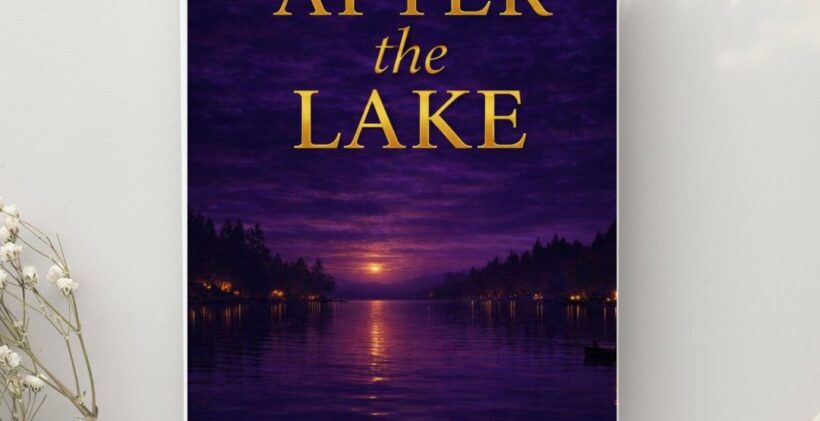
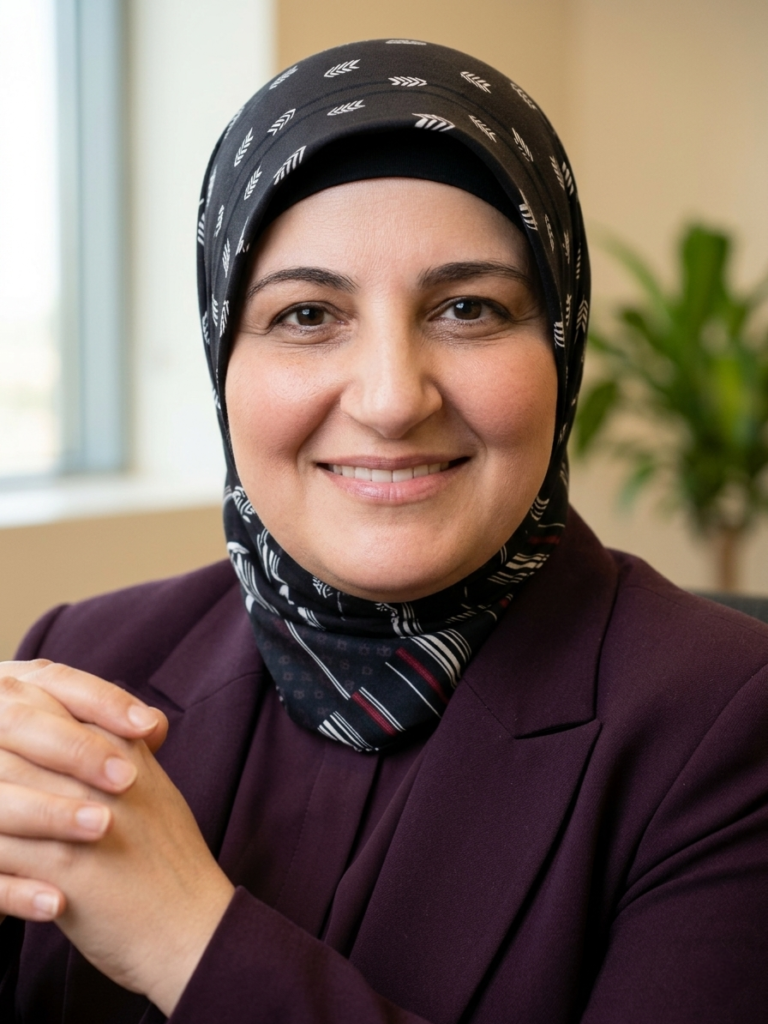
Palestinian-British author Mara Mansour has written one of the most talked about debut novels of 2026 — a love story told with honesty, restraint, and rare emotional depth.
There are books that arrive loudly, carried by big marketing campaigns and bold promises. And then there are books like After The Lake. They travel quietly, passing from one reader to the next, leaving something behind in each person that is difficult to put into words.
Mara Mansour’s debut novel is one of those rare books.
Mansour is a Palestinian woman living in London, a mother of four, a teacher, and, as of earlier this year, one of the most talked-about new voices in fiction. Her novel has been featured in Women’s Reporter and Good Morning US, praised by readers across the world, and described by critics as emotionally intelligent and beautifully written. Readers do not just recommend it. They say it made them cry. They say it stayed with them long after the last page.
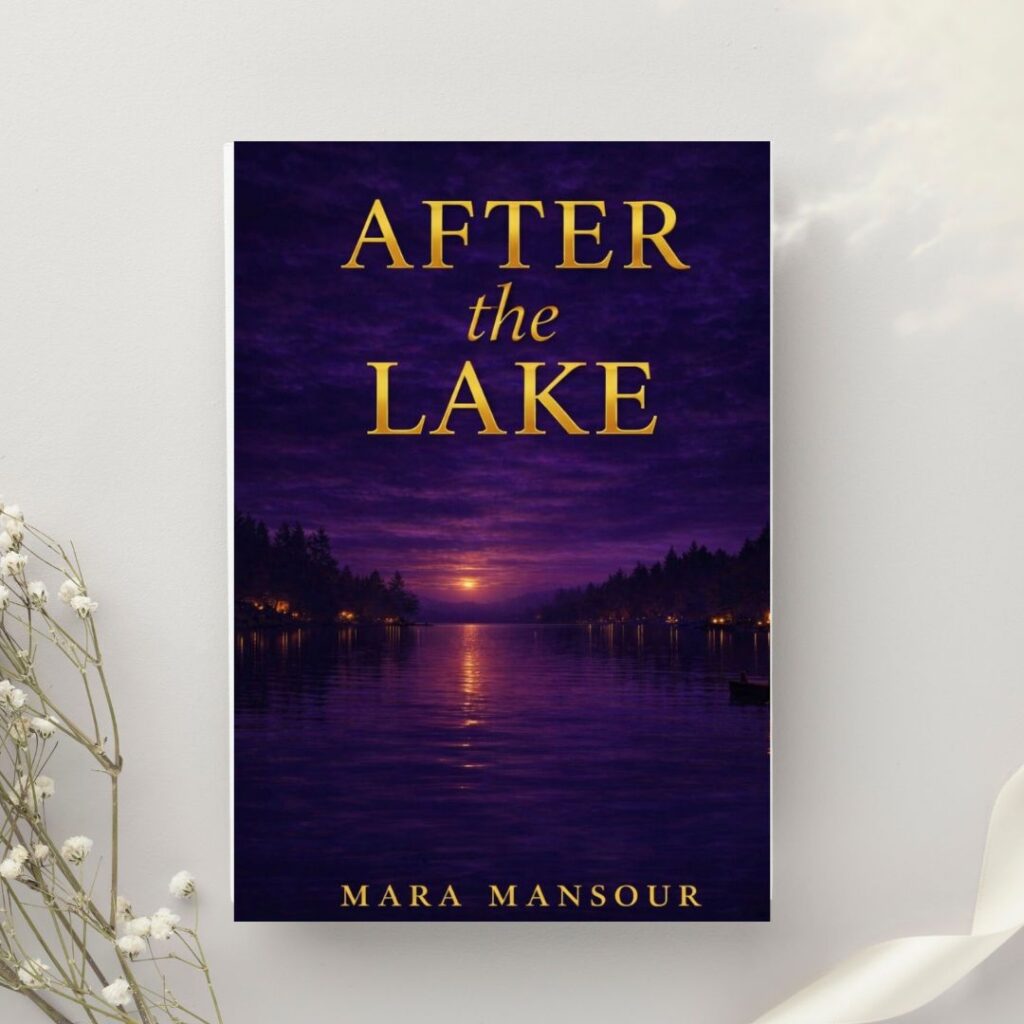
A Love Story Set in Another Time
After The Lake is set in Britain in the late 1980s — a world without mobile phones or social media, where the only way for two teenagers to stay connected across distance was a letter written by hand.
The story follows Emma Rivers and Teddy Whitmore, who meet one summer by a quiet lake. They come from different social backgrounds, but something draws them together that neither of them can fully explain. When summer ends, life separates them. What keeps them connected are handwritten letters, honest, tender, sometimes painful, sent back and forth across months.
It is a simple premise. But in Mansour’s hands, it becomes something much larger.
The lake itself grows into more than just a place. It becomes a symbol of possibility, a space where, for one brief summer, life felt lighter and more open. It is a feeling many readers will recognise from their own lives.
The second half of the novel is where Mansour’s skill truly shines. When Emma and Teddy reunite, they must face not just each other, but everything that has changed in them. The book deals with trauma, class difference, and the hard, quiet work of loving someone whose pain has reshaped who they are. Mansour handles these subjects with great sensitivity. She neither minimises pain nor allows it to define her characters. Her central figure, Emma, emerges not as a victim, but as a woman of quiet, growing strength.
The question that drives the book forward is not one of action or plot: it is something quieter and far more human. Can love endure growth? Can it survive time? These are questions that belong to all of us.
Writing That Trusts Silence
What distinguishes Mara’s writing is something very hard to teach and almost impossible to fake: restraint. In a literary world that often rewards spectacle and noise, she trusts silence. Her prose is lyrical without excess; emotional shifts unfold through gestures rather than declaration, through a glance, a pause in conversation, a hand held for a moment too long. A fleeting look reveals more than a paragraph of explanation. She does not explain everything. She trusts her readers to feel what is not said.
Women’s Reporter noted that her storytelling speaks to those who understand that strength is not always loud. Good Morning US called the novel “one of the most quietly unforgettable reads of 2026.”
For those of us who have grown up navigating between worlds, holding our families’ stories carefully, and choosing our words with awareness, this way of writing feels deeply familiar. Mara has built a novel in that same careful, honest way.
This kind of writing, careful, restrained, deeply human, is extraordinarily rare. And it is what makes After The Lake linger in the memory long after it is finished.
A Voice That Deserves to Be Heard
Before writing her novel, Mansour spent years working across business, education, and nonprofit organisations, while raising four children. It is the kind of life that teaches you a great deal about people, about what they carry, what they hide, and what they leave unspoken.
That understanding is present on every page of After The Lake.
She is also a Palestinian voice in British literature — and that matters. Palestinian writers are not yet as visible in mainstream publishing as they deserve to be. When one writes a novel that earns international praise, five-star reviews, and moves readers to genuine tears, it is worth pausing to recognise what that means.
Palestinian stories deserve to travel. With After The Lake, one of them has.
What Readers Are Saying
The response to the novel has been remarkable. Readers describe it as the kind of book that does not leave you easily. One reviewer wrote: “Mara has a gift for writing what goes unsaid. I cried at the end — in the best possible way.” Another said: “Intended or not, Mansour has written a manual for everlasting love.”
The structure of the novel, alternating between Emma’s point of view and Teddy’s, has been praised for the skill and care with which it is handled. Watching these two characters learn from each other, slowly and imperfectly, is what readers call the quiet heart of the book.
A Story That Does Not Shout — But Leaves a Mark
After The Lake does not shout for attention. It whispers. And in doing so, it leaves a mark that is very hard to shake. By the final page, the lake feels almost like a memory you have shared with the characters yourself. You may find yourself thinking about your own first experience of love, the summers that once felt endless, the words that once meant everything.
For those drawn to stories that unfold quietly, that prioritise emotional precision over spectacle, it is a novel that offers something lasting.
And for those who recognise something of themselves, in its silences, its restraint, its careful attention to what is felt but not always spoken, it may feel, in some small way, like coming across something unexpectedly familiar.
After The Lake is available now in ebook format for £4.99, and in paperback for those who want to hold it in their hands — and return to it again.
After The Lake by Mara Mansour | Available now on Amazon and maramansour.com
Follow Mara on Goodreads and Instagram: @mara_mansour_author1122